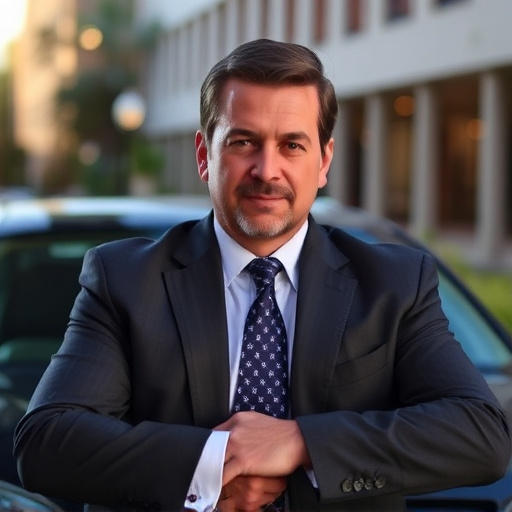
In Los Angeles, where traffic congestion and enforcement are common, knowing your rights when facing a DUI charge is crucial. Many individuals find themselves confused and overwhelmed, leading to poor decisions that can have lasting consequences. A Los Angeles DUI Refusal Lawyer plays a pivotal role in guiding clients through this complex legal landscape. These attorneys, seasoned in the ins and outs of California's Vehicle Code and the California Courts of Appeal, offer expert advice and representation to ensure your rights are protected. By understanding the legal options available, you can navigate the system with confidence, potentially avoiding severe penalties and preserving your freedom.
Understanding Your Rights: The Role of a Los Angeles Dui Refusal Lawyer
Understanding your rights when facing DUI charges in Los Angeles is crucial. This is where the lawyer comes in-they're your advocates, guiding you through the legal process and ensuring your rights are protected. These attorneys specialize in California Vehicle Code and have a deep understanding of the local justice system, which is complex and often confusing for those unfamiliar with it.
Choosing the right lawyer is a significant step. In Los Angeles, you have several options, from public defenders offered by the Public Defender's Office to private law firms. When selecting a provider, consider their experience, track record, and specific expertise in DUI cases. The California Courts of Appeal and the Southern California Bar Association offer resources to help you evaluate potential legal representatives. Look for attorneys who have successfully defended clients in similar situations, as this indicates a strong understanding of the local legal landscape and the ability to navigate complex cases.
While the cost of hiring a private Lawyer might seem steep, the potential consequences of a conviction far outweigh the fees. DUI charges can result in significant penalties, including hefty fines, license suspension, and even jail time. A skilled lawyer can help you avoid these outcomes. They'll ensure you understand your options, including the possibility of having your blood or breath test results suppressed if there were procedural errors. Remember, the lawyer isn't just about fighting the charges; it's about ensuring your legal rights are respected and that you receive a fair trial.
Navigating the Legal Process: Step-by-Step Guide for Clients
Navigating the legal process after a DUI arrest in Los Angeles can be overwhelming. Engaging the services of the lawyer is a critical step toward protecting your rights and mitigating the consequences. Let's break down the process into manageable steps to guide you through this challenging time.
First, what does the lawyer process involve in Los Angeles? It begins with an initial consultation where your lawyer will review the details of your case, discuss the evidence against you, and assess the strengths and weaknesses of your defense. They'll educate you on your rights, the potential outcomes, and the best course of action. If you refused a breath test, your lawyer can help you understand the implications and whether there are legal grounds to challenge the results. Next, they'll file the necessary paperwork with the court on your behalf, ensuring all deadlines are met. This includes entering a plea, requesting discovery (the prosecution's evidence), and preparing for any pre-trial hearings.
The next step is crucial: is Lawyer worth it? This depends on several factors, including the strength of the prosecution's case and your individual circumstances. A skilled Lawyer can significantly improve your chances of a favorable outcome. They can challenge the stop and arrest, argue against the admissibility of evidence, and negotiate with the prosecution on your behalf. They might successfully negotiate a reduced charge or sentence, saving you from harsher penalties. However, it's important to remember that no lawyer can guarantee a specific outcome.
To avoid problems with Lawyer, be transparent with your attorney and follow their advice. Keep in mind that any communication with law enforcement or the court must be done honestly. Avoid trying to conceal evidence or lie about your actions. Your lawyer's job is to ensure your rights are protected, not to cover up your behavior. Be punctual for court appearances and stay in contact with your attorney. Regular communication allows them to prepare effectively and adapt strategies as needed. By following these steps and working collaboratively with your Lawyer, you can navigate the legal process with confidence and strive for the best possible outcome.
Strategies for Success: How a Los Angeles Dui Refusal Lawyer Helps You Win
In the face of a DUI refusal charge, navigating the complex legal landscape can be daunting. This is where the lawyer plays a pivotal role, providing expert guidance tailored to the unique legal system of Los Angeles. Their primary objective is to ensure your rights are protected and to help you make informed decisions throughout the process.
A successful strategy for the lawyer involves several key elements. First, they will thoroughly review the circumstances of your arrest, challenging any procedural irregularities or evidence that may have been obtained improperly. This includes scrutinizing the actions of the Los Angeles Police Department and ensuring compliance with the California Vehicle Code. They might argue that a blood test was not administered properly, or that your rights under the California Constitution were violated during the stop.
These lawyers are adept at preparing a robust defense, often involving the exploration of alternative explanations for the observed behaviors. They might engage the California Bureau of Motor Vehicles (DMV) and the Public Defender's Office to gather evidence and build a compelling case. This could include expert testimony from medical professionals or witnesses who can provide alibis or explain extenuating circumstances. By presenting a well-rounded argument, they aim to persuade the California Courts of Appeal to overturn the initial refusal charge.
However, it's crucial to understand what to avoid. The lawyer should steer clear of excessive delays or missing deadlines, as these can weaken your case. They must remain up-to-date with changing laws and regulations, as the legal landscape surrounding DUI cases is changing. While private law firms offer specialized services, those who prefer a more public defender-style approach might find the latter more suitable, ensuring a dedicated advocate within the community. Alternatives exist, but a well-vetted Lawyer, with their deep understanding of local laws and courts, remains the optimal choice for a favorable outcome.
Frequently Asked Questions About Los Angeles Dui Refusal Lawyer
What happens if I refuse a DUI test in California? Refusing a blood or breath test for alcohol in California is a serious matter. It's considered a criminal offense and can lead to severe penalties, including fines, a driver's license suspension, and even jail time. If you refuse, law enforcement will typically secure a warrant to draw blood if necessary, and your refusal can be used as evidence in court.
Do I need a lawyer for a DUI refusal case in LA? Highly recommended. The lawyer is crucial for several reasons. They understand the complex legal process, can challenge the evidence against you, and negotiate with prosecutors. They ensure your rights are protected and help build a strong defense strategy, which could result in reduced charges or a favorable outcome.
How do I choose the right DUI refusal lawyer in Los Angeles? Research is key. Look for attorneys with experience in DUI cases, preferably in Los Angeles courts. Check their success rates, client testimonials, and areas of specialization. You want someone knowledgeable, aggressive in defense, and committed to getting the best possible result for your unique situation.
Can I represent myself in a DUI refusal case? While self-representation is an option, it's not advised. DUI laws and procedures are intricate, and court proceedings can be intimidating. A lawyer provides legal guidance, prepares your defense, and represents you in court, significantly increasing your chances of a favorable outcome.
What are the penalties for DUI refusal in California? The penalties vary depending on your circumstances. Refusal can result in immediate driver's license suspension for up to a year. You may face fines, court costs, and potential jail time, especially if it's your second or subsequent offense. A conviction can lead to higher insurance rates and long-term legal repercussions.
How soon after a DUI refusal should I contact a lawyer? As soon as possible. Time is of the essence in legal matters. Contacting a lawyer promptly allows for a thorough review of your case, gathering evidence, and developing a strategy. The sooner you act, the better prepared you'll be to defend yourself against the charges.
What if I made a mistake and refused the test? Can I appeal? Depending on the circumstances, there might be grounds for an appeal. A lawyer can review your case and determine if there were procedural errors or if extenuating circumstances could lead to a reversal. However, appeals are complex, and success is not guaranteed.
The lawyer plays a pivotal role in protecting your rights and guiding you through the complex legal landscape following a DUI refusal. By understanding your rights, navigating the legal process, and employing strategic defenses, these experts can significantly improve your outcome. Their expertise, as demonstrated by their adherence to the California Vehicle Code and their involvement with organizations like the Southern California Bar Association and DUI Defense Attorneys Association, ensures you receive the best possible representation. Moving forward, consider the following practical steps: consult with a local lawyer, cooperate fully with law enforcement while protecting your rights, and stay informed about community awareness programs and local DUI task forces. With this knowledge, you can make informed decisions and prepare effectively for any future interactions with law enforcement.